

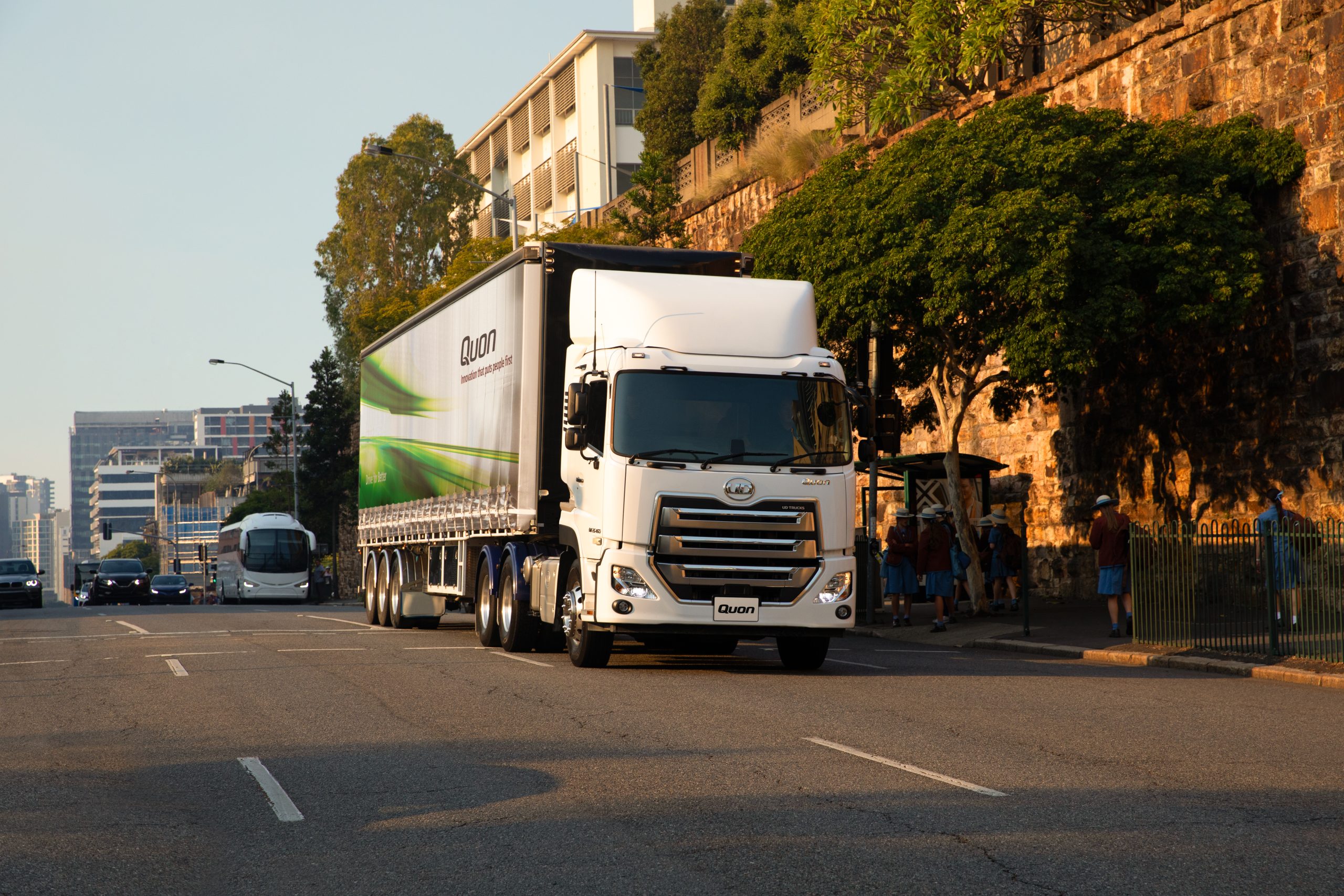
At the heart of the UD Quon is a deliberate focus on delivering performance that translates directly into business value.
n today’s high-cost, inflationary environment, transport operators are under increasing pressure to extract more efficiency from every trip, every litre of fuel, and every asset on the road. This is where Quon’s smart engineering makes a measurable difference.
Smart Performance Built for Productivity
Quon’s performance is not defined by power alone, but by how effectively that power is delivered and utilised in real-world long-haul conditions.
Enhanced engine calibration and redesigned engine components enable the truck to deliver higher power and torque at lower engine speeds. This translates into faster acceleration, improved gradeability on inclines, and more efficient cruising — all of which contribute to reduced trip times and improved route efficiency.
For fleet operators, this means more loads delivered within the same operating window, directly improving revenue potential.
Complementing this is the ESCOT-VI 12-speed automated manual transmission, which plays a critical role in optimising performance and efficiency. By delivering smoother, more precise gear shifts, ESCOT-VI not only improves driver comfort but also helps maintain consistent fuel efficiency across varying driving conditions.
The system actively suppresses fluctuations in fuel consumption, ensuring that performance gains are not offset by inefficiencies — a key factor in maximising trip value over long distances.
Beyond performance, durability remains a cornerstone of the Quon’s design. Built to withstand demanding operating environments, the truck delivers consistent reliability over time, supporting both operational continuity and broader sustainability goals through more efficient, environmentally conscious transport.
Smart Uptime: Keeping Trucks Where They Belong
While performance drives productivity, uptime ultimately determines profitability. Every hour off the road impacts delivery schedules, customer commitments and revenue streams.
Recognising this, UD Trucks has engineered the Quon with a clear objective: to minimise downtime and maximise operational availability.
One of the most tangible benefits is the improved service schedule, which reduces the number of required service intervals by up to 50% from four to two times per year. This significant reduction means less time spent in workshops, lower maintenance disruption, and more time on the road generating income. It also contributes to reduced exposure to incidental damage and associated insurance claims, further lowering operational risk.
Safety technologies play a critical supporting role in protecting uptime. Features such as the Smart Blind Spot Information System, Smart Lane Change Support, and the enhanced Traffic Eye Brake System actively assist drivers in avoiding potential incidents. By reducing the likelihood of accidents involving both vehicles and vulnerable road users, these systems help prevent costly downtime and reinforce safer, more reliable operations.
Maintenance efficiency is further strengthened through
UD Trust Service Agreements, which provide tailored maintenance plans based on actual vehicle usage. This ensures that service is proactive rather than reactive, with scheduled inspections and preventative care designed to avoid unexpected breakdowns.
Supporting this is UD Extra Mile Services, a comprehensive ecosystem that extends beyond the vehicle itself. From structured handover training programs and manufacturer warranties to roadside assistance, UD Connected Services (telematics), and access to a reliable dealer network with qualified technicians and genuine parts, the Quon is backed by a full lifecycle support system. This integrated approach ensures that operators are not only investing in a truck, but in a long-term uptime solution.
Turning Engineering into Business Advantage
By combining intelligent performance with advanced uptime support, the Quon delivers more than operational capability — it delivers business resilience. Reduced service frequency, improved fuel stability, enhanced safety and integrated support all work together to lower total cost of ownership while increasing vehicle availability.
For long-haul operators, where margins are often defined by efficiency and reliability, these features are critical enablers of profitability. In a market where volatility is the only constant, the ability to keep trucks moving consistently and efficiently is what ultimately sets leading fleets apart.